Tag: blog
-
When to seek emergency care
Crush injury, amputation, open fracture, threatened circulation, severe contamination, or rapidly increasing swelling should not wait for routine booking.
-
External fixation explained
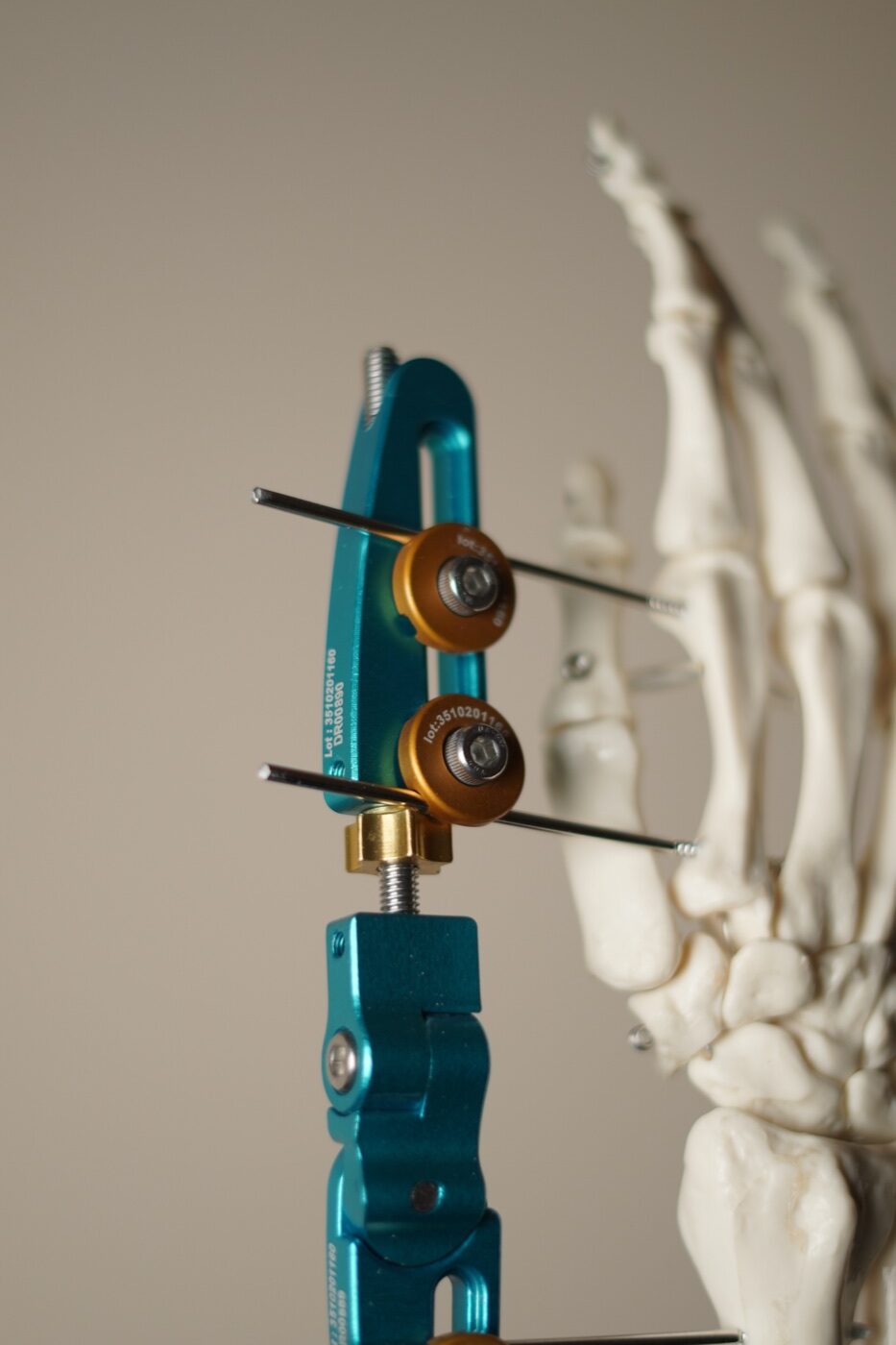
External frames can stabilize bone while preserving access to injured soft tissue; configuration is selected according to anatomy and treatment goals.
-
Preparing for hand surgery
Medication review, fasting instructions, transport planning, clean skin, and a clear recovery plan make the day of surgery safer and less stressful.
-
Warning signs after a hand injury
Severe pain, altered color, loss of feeling, uncontrolled bleeding, major deformity, or inability to move requires prompt professional assessment.
-
Microsurgery in upper-extremity care
Magnification and fine instruments allow repair of small nerves and vessels, supporting selected reconstruction, replantation, and tissue-transfer procedures.
-
Distal radius fractures: the first decisions
Alignment, stability, joint involvement, age, and activity needs guide whether a wrist fracture requires casting, reduction, or surgical fixation.
-

Featured poster in bionic-hand motor control
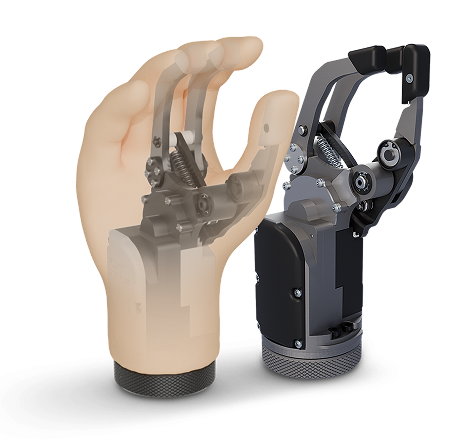
Bionic-hand motor-control work was selected as a featured poster at COTARIUM 2025.
-
How to read clinical research with care
Study design, comparison groups, outcome definitions, follow-up, and uncertainty matter more than a headline when judging evidence for care.
-
Tendon repair: motion with protection
A repaired tendon needs enough protection to heal and enough guided motion to reduce adhesions; rehabilitation protocols balance both demands.
-
Tennis elbow and golfer’s elbow
Repetitive loading can irritate tendon attachments around the elbow; activity analysis and progressive rehabilitation are central to most care plans.